By Charlotte Dale
After a week at Soneva Fushi [link], Charlotte boarded the Carpe Novo to continue the search for Maldivian topotypes and interesting Acropora species across Baa, Raa and North Ari Atolls with OceanLife Scuba Expeditions. The trip was organised by marine biologist Amanda Delaforce, who spreads her time between the Queensland Parks and Wildlife Service in Australia and leading diving expeditions in the Maldives and beyond.
Charlotte’s main targets were several nominal species of Acropora that were described based on specimens originally collected in the Maldives: Acropora intermedia; A. eibli and A. stoddarti. One of the main goals of Project Phoenix is to revisit all coral species described historically but rarely tested with modern genomic data. A preliminary assessment of the collection suggests A. stoddarti is in the bag (Fig. 1), while A. intermedia and A. eibli remain elusive. The reefs of the Maldives are keeping just enough secrets to ensure someone must come back.
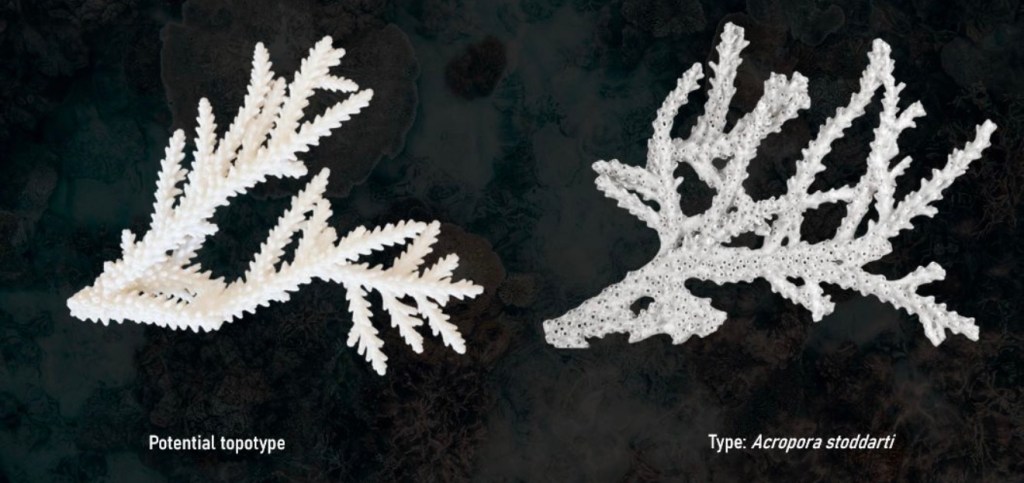
Figure 1. A potential topotype for Acropora stoddarti Pillai & Scheer 1976
Unfortunately, reef condition had declined significantly since Charlotte’s last visit. Extensive staghorn thickets and numerous large tabular Acropora colonies that characterised the reefs in 2020 were no more, at least at the sites Charlotte visited on the Carpe Novo. Coral cover was generally very low, and while species richness remains high, colonies were few and far between. In contrast to the corals, the reefs were teeming with distractions including sharks, mantas and turtles. Clearly such charismatic mega-fauna are poor indicators of reef coral health and conservation initiatives should target ecosystem engineers, such as corals, rather than, to quote Tom Bridge, “functional bludgers”.
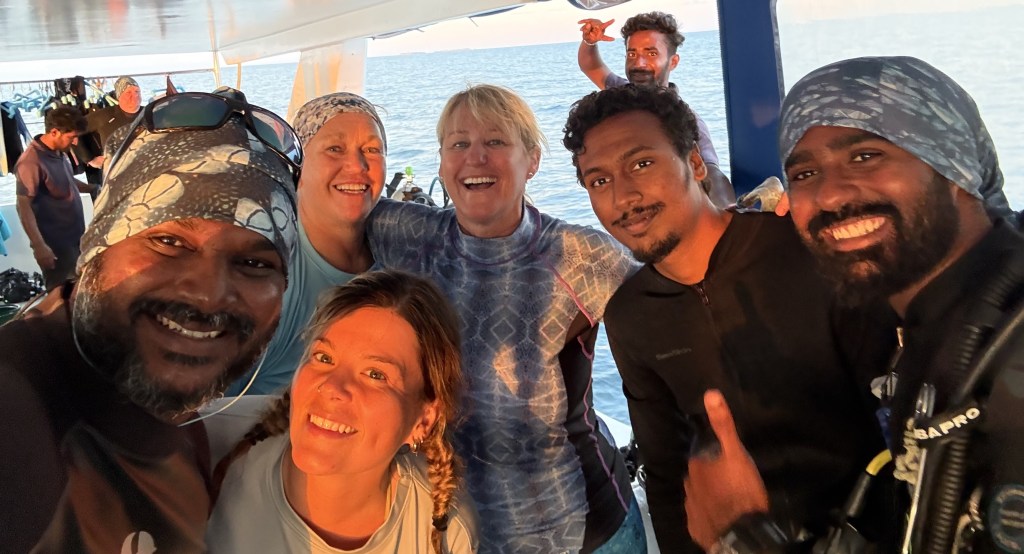
What made the week particularly enjoyable was the people (Fig. 2). The Maldivian crew had an extraordinary knowledge of the reefs, and the guests onboard were genuinely interested in Project Phoenix and why coral taxonomy matters.
Back in Malé, Charlotte presented her work at the Maldives Marine Research Institute, where the discussion ranged from sampling methods to the wider implications of revising coral diversity. She also caught up with reef-guide author Tim Godfrey, whose identification books are themselves evolving as coral taxonomy changes.
Acknowledgements: Charlie thanks Amanda and The Carpo Novo crew.

